
Chemical-Free Weed Control vs. Traditional Herbicides: A Practical Comparison
The Mechanics of Non-Herbicide Weed Suppression
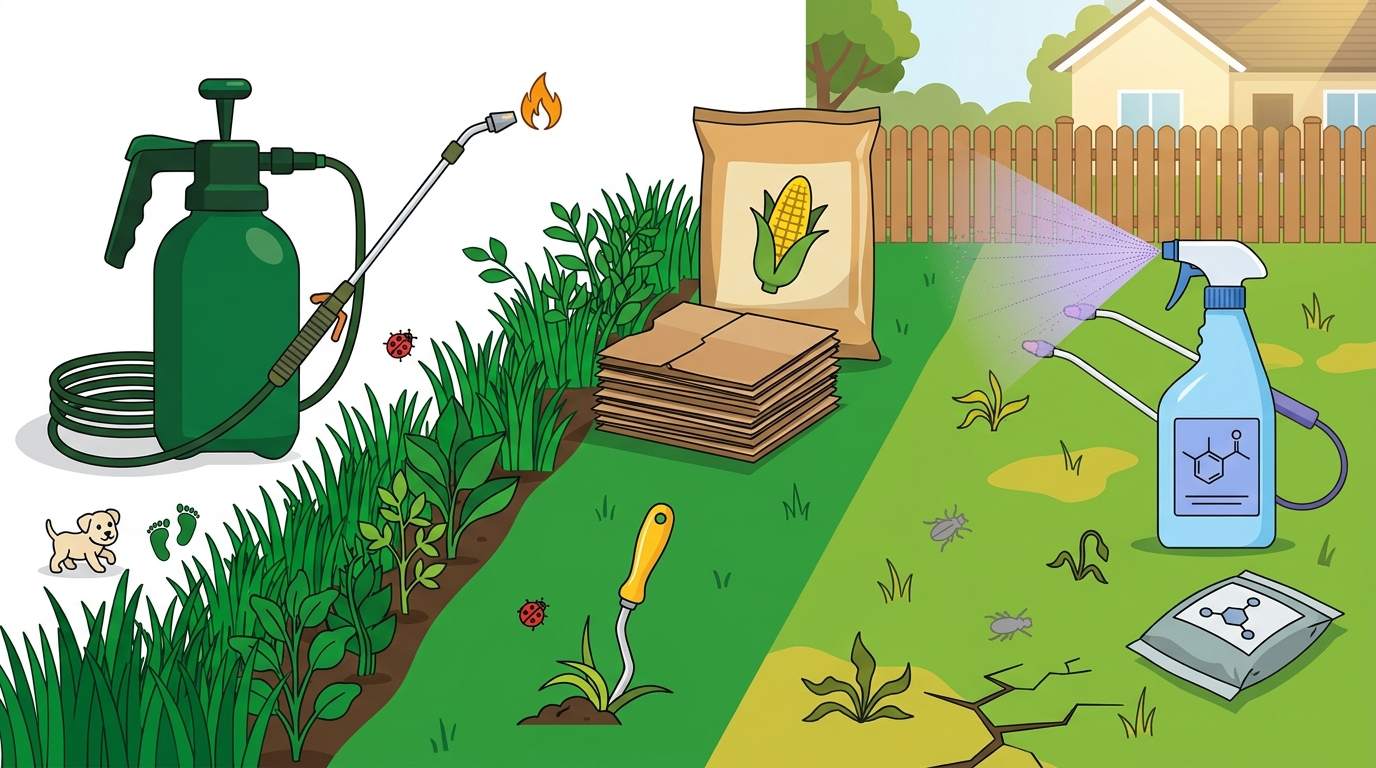
One of the primary advantages of this method is the absence of synthetic chemical residues in the soil. For homeowners with children, pets, or sensitive gardens, this reduces the risk of accidental exposure. However, the effectiveness of these methods is highly dependent on timing and consistency. A single missed application or a gap in maintenance can allow weeds to re-establish, requiring additional labor to correct. This makes non-herbicide control a proactive strategy rather than a reactive one. For additional details, review the About.
Understanding Traditional Herbicide Efficacy
Traditional herbicide treatment involves the application of synthetic chemicals designed to inhibit specific physiological processes in plants. These chemicals can be pre-emergent, preventing seeds from germinating, or post-emergent, killing existing vegetation. The speed of action is a significant benefit, as many synthetic herbicides show visible results within days. This rapid response is often preferred by property managers and homeowners who desire immediate aesthetic improvements.
However, the reliance on a single mode of action can lead to significant long-term challenges. Herbicide resistance is a growing concern in both agricultural and residential settings. When weeds are repeatedly exposed to the same chemical, resistant populations can emerge, rendering the treatment ineffective. This phenomenon has been documented in various weed species, forcing growers and landscapers to rotate chemical classes or seek alternative solutions. The environmental impact of synthetic herbicides is also a point of discussion, particularly regarding their potential to affect non-target organisms and water quality.
Comparing Long-Term Lawn Health and Soil Integrity
A resilient lawn is better equipped to resist weed invasion naturally. Dense, healthy turf outcompetes weeds for light, water, and nutrients. By focusing on soil health and proper mowing practices, non-herbicide approaches encourage this natural competition. This holistic view of lawn care suggests that weed control is not just about killing weeds, but about creating an environment where they cannot thrive. Homeowners who adopt this mindset often find that their lawns require less intervention over the years.
Cost, Labor, and Practical Considerations
The economic and labor implications of weed control methods vary significantly. Traditional herbicide treatments are often less labor-intensive for the homeowner, as professional application can be completed in a single visit. The cost is typically lower per application, but the need for repeated treatments and potential resistance management can increase long-term expenses. Non-herbicide methods, on the other hand, require more consistent effort. Hand-pulling and mechanical weeding are time-consuming, and the cost of labor can be higher if professional services are hired.
Despite the higher labor requirement, many homeowners find that the investment in non-herbicide methods pays off in reduced chemical costs and improved lawn quality. The decision often comes down to personal values and lifestyle. Those who prioritize convenience and immediate results may lean toward traditional treatments, while those who value environmental stewardship and long-term sustainability may prefer chemical-free approaches. It is essential to consider the specific conditions of your lawn, including soil type, climate, and existing weed pressure, when making this choice.
Key Takeaways
- Non-herbicide weed control is a proactive strategy that focuses on prevention and soil health rather than reactive chemical elimination.
- Traditional herbicides offer rapid results but carry the risk of developing resistant weed populations over time.
- Long-term lawn resilience is often better supported by non-chemical methods that promote dense, competitive turf.
- Labor requirements are higher for chemical-free methods, but they may reduce long-term chemical costs and environmental impact.
- The best approach depends on individual priorities, including convenience, budget, and environmental values.
Frequently Asked Questions
Is chemical-free weed control more expensive than using herbicides?
It can be, primarily due to higher labor costs. However, it may reduce long-term expenses by avoiding the need for repeated chemical applications and managing resistance.
Do non-herbicide methods work on all types of weeds?
They are most effective on young, small weeds. Established, large weeds may require more intensive mechanical removal or a combination of methods.
Can I use both chemical and non-chemical methods together?
Yes, an integrated approach can be effective. Using non-chemical methods for maintenance and targeted chemical treatments for severe infestations can balance efficacy and safety.
How long does it take to see results with non-herbicide control?
Results are gradual. It may take several weeks to months to see significant weed reduction, depending on the method used and the severity of the infestation.
Are there any environmental benefits to avoiding synthetic herbicides?
Yes, avoiding synthetic chemicals can reduce the risk of soil and water contamination and protect non-target organisms like pollinators and beneficial insects.
Choosing the Right Approach for Your Lawn
Selecting the right weed control method requires a careful assessment of your lawn's current condition and your personal goals. If you are dealing with a severe infestation, a combination of immediate chemical treatment followed by long-term non-chemical maintenance may be the most practical solution. For those with mild weed pressure, focusing on soil health and dense turf growth can prevent weeds from becoming a problem in the first place. It is important to monitor your lawn regularly and adjust your strategy as needed. according to Weed control changes
At Kick-Ass Grass, we understand that every lawn is unique. Our team is experienced in both traditional and non-herbicide weed control methods, allowing us to tailor a solution that fits your specific needs and values. We prioritize transparency and honesty, ensuring that you receive targeted care without unnecessary services. To discuss your lawn's needs and explore the best weed control options for your property, .