
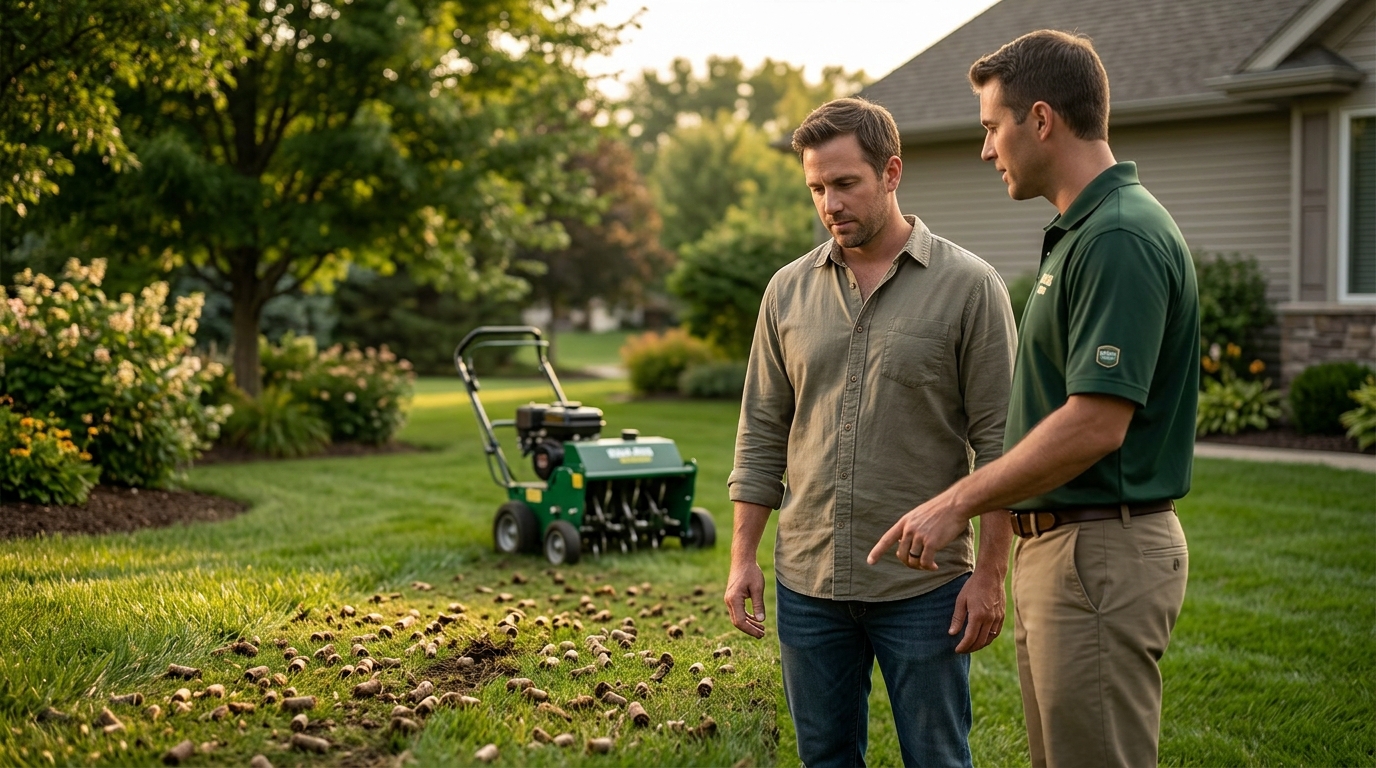
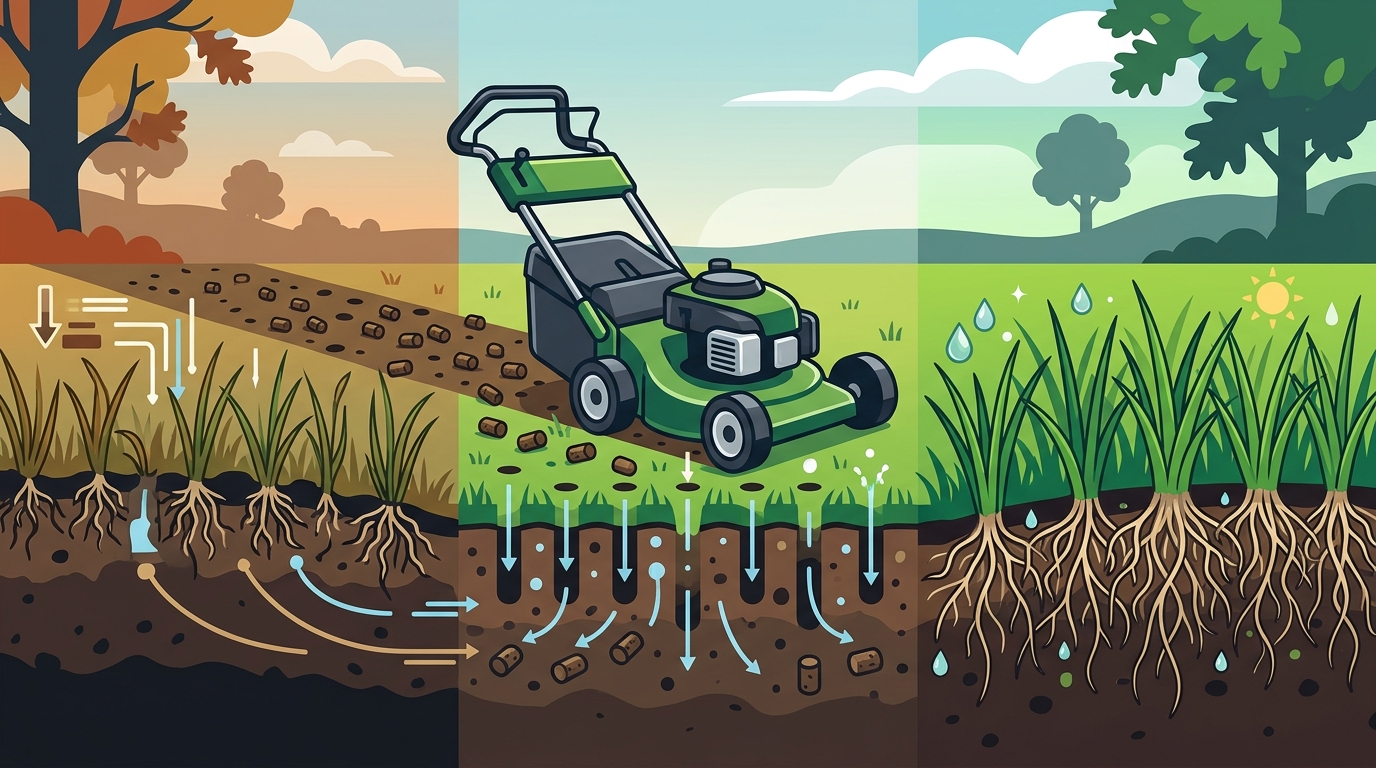
Soil compaction is a primary driver of thin, brown, and weak turf in the Sterling, Michigan area. Aeration is the process of creating small holes in the soil to relieve compaction and allow air, water, and nutrients to reach the root zone. For cool-season grasses common in Michigan, timing is critical to ensure the grass recovers quickly and establishes strong roots before winter or the heat of summer. For additional details, review the .
1. Early September
Early September is the optimal window for cool-season grasses. This timing allows the grass to recover from the aeration process while soil temperatures are still warm enough for root growth. It also aligns with the fall fertilization schedule, maximizing nutrient uptake. In Sterling, MI, this is the most recommended time for Kentucky bluegrass and perennial ryegrass. For additional details, review the Frequently Asked Questions.
2. Mid-September
3. Late September
Late September is the final viable window before winter dormancy. Aeration in late September is acceptable, but you must ensure the grass has enough time to recover before the ground freezes. If the soil is too cold, the grass may not heal the holes, leaving it vulnerable to winterkill. Monitor soil temperatures to ensure they are above 50 degrees Fahrenheit. For additional details, review the About.
4. Early April
Early April is the best spring window for aeration. As the soil thaws and temperatures rise, spring aeration helps relieve winter compaction. It also prepares the soil for spring fertilization and overseeding. In Sterling, MI, early April aeration helps the lawn bounce back from winter stress and establishes a strong foundation for the growing season.
5. Mid-April
Mid-April is ideal for lawns that experienced heavy winter traffic. If your lawn was compacted by foot traffic or equipment during the winter, mid-April aeration can help restore soil structure. This timing allows the grass to recover before the peak growing season. It is also a good time to address any thatch buildup that may have occurred over the winter.
6. Late April
Late April is the last spring window for aeration. If you missed the early or mid-April windows, late April is still an option, but you should avoid aeration if the soil is too wet. Wet soil can become muddy and difficult to work with, and it may not provide the same benefits as dry, firm soil. Check the weather forecast before scheduling aeration in late April.
7. Early May
Early May is generally not recommended for aeration. By early May, the grass is entering its peak growing season, and aeration can stress the lawn unnecessarily. The holes created by aeration may take longer to close, and the grass may be more susceptible to weeds and diseases. If you must aerate in early May, do so only if the soil is severely compacted and the lawn is in poor condition.
Choosing the Right Time for Your Lawn
The best time to aerate your lawn in Sterling, MI, depends on your grass type and the condition of your soil. For cool-season grasses, early September and early April are the two best windows. If you are unsure when to aerate, consult with a professional lawn care service like Kick-Ass Grass for personalized advice. They can assess your soil and recommend the best timing for your specific lawn.
Frequently Asked Questions
How often should I aerate my lawn in Sterling, MI?
You should aerate your lawn once a year, preferably in the fall or spring. If your soil is heavily compacted, you may need to aerate twice a year, but this is rarely necessary for most residential lawns.
Can I aerate my lawn in the summer?
It is not recommended to aerate your lawn in the summer. The heat and stress of the summer season can make it difficult for the grass to recover from aeration. Stick to the fall or spring windows for best results.
What type of aeration is best for my lawn?
Core aeration is the best type of aeration for most lawns. It removes small plugs of soil, which helps relieve compaction and allows air, water, and nutrients to reach the root zone. Slice aeration is less effective and is generally not recommended.
Do I need to remove the soil plugs after aeration?
No, you do not need to remove the soil plugs after aeration. The plugs will break down and return to the soil, providing nutrients and improving soil structure. You can mow over the plugs if you prefer, but it is not necessary.
Can I overseed after aeration?
Yes, you can overseed after aeration. Aeration creates holes in the soil, which provides a good seedbed for overseeding. Overseeding after aeration can help thicken your lawn and improve its overall health.