How to Combine Multiple Strategies for Natural Weed and Pest Control
Integrated Pest Management (IPM) is a science-based approach to managing pests that combines multiple strategies to keep pest populations at acceptable levels while minimizing risks to people and the environment. By layering prevention, physical barriers, and targeted biological controls, homeowners can maintain a healthy lawn without relying on a single chemical solution. Kick-Ass Grass applies this philosophy to ensure your lawn stays vibrant and resilient year-round. For additional details, review the .
The Core Principles of Integrated Pest Management
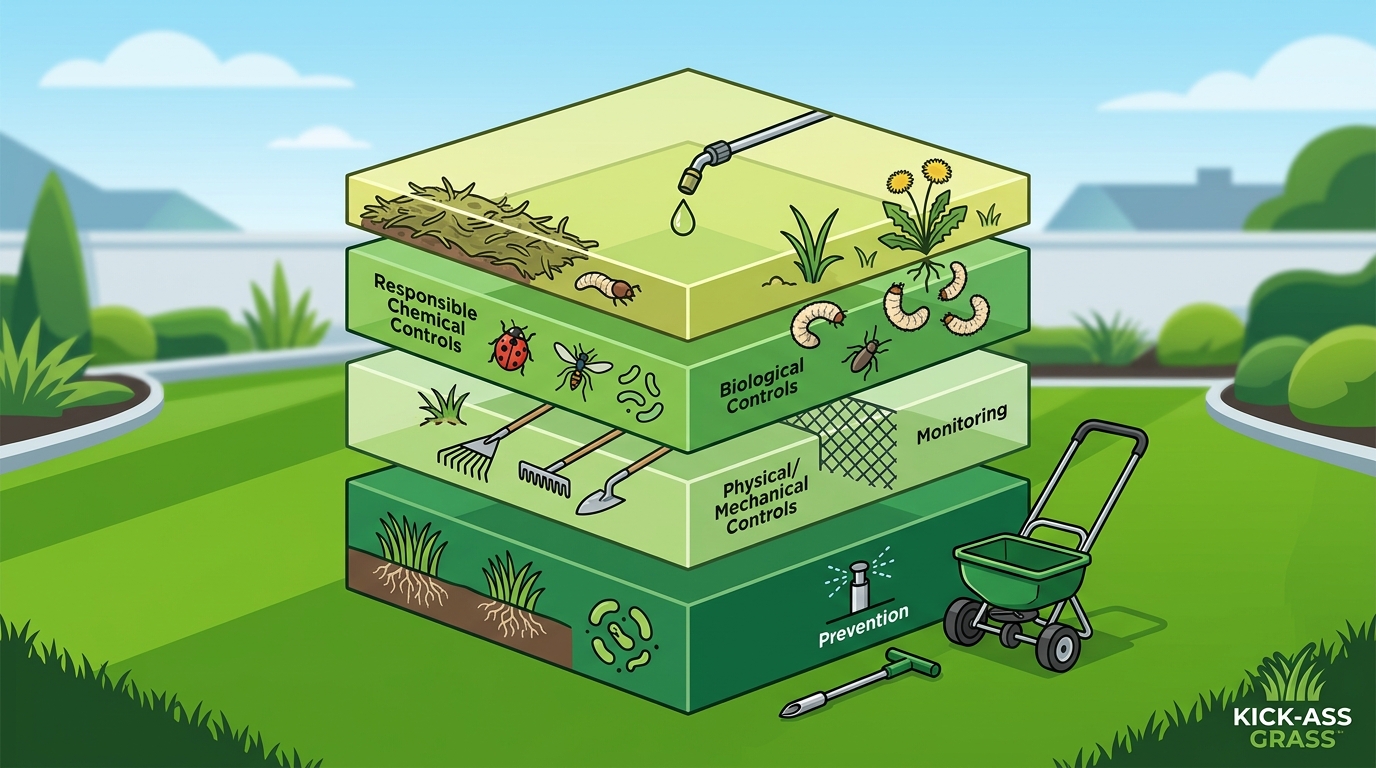
Integrated Pest Management is not about eliminating every pest but rather managing them to a level that does not cause significant damage. This framework relies on a hierarchy of controls, starting with the least disruptive methods. The goal is to create an environment where pests cannot thrive, reducing the need for intervention. Understanding this hierarchy helps you make informed decisions about your lawn care routine. For additional details, review the Frequently Asked Questions.
Prevention as the First Line of Defense
Prevention is the most effective and least costly strategy in IPM. This involves maintaining a healthy lawn through proper mowing, watering, and fertilization. A dense, healthy turf naturally outcompetes weeds for light and nutrients. By keeping your lawn strong, you reduce the opportunities for pests to establish themselves. For additional details, review the About.
Monitoring and Identification
Regular monitoring is essential to detect problems early. You must identify the specific pest or weed before choosing a control method. Misidentification can lead to ineffective treatments or unnecessary chemical applications. Kick-Ass Grass emphasizes accurate diagnosis to ensure that any action taken is targeted and necessary.
Physical and Cultural Control Methods
Physical and cultural controls are non-chemical methods that manipulate the environment to suppress pests. These methods are often the first step in an IPM program. They are safe for pets, children, and beneficial insects. Implementing these practices can significantly reduce pest pressure without any chemical input.
Mulching and Weed Suppression
Physical control includes using mulches to keep weeds from growing. Mulch blocks sunlight and prevents weed seeds from germinating. It also retains soil moisture, which supports healthy grass growth. Applying a layer of organic mulch around plants and in garden beds is a simple yet effective strategy.
Hand Removal and Mechanical Barriers
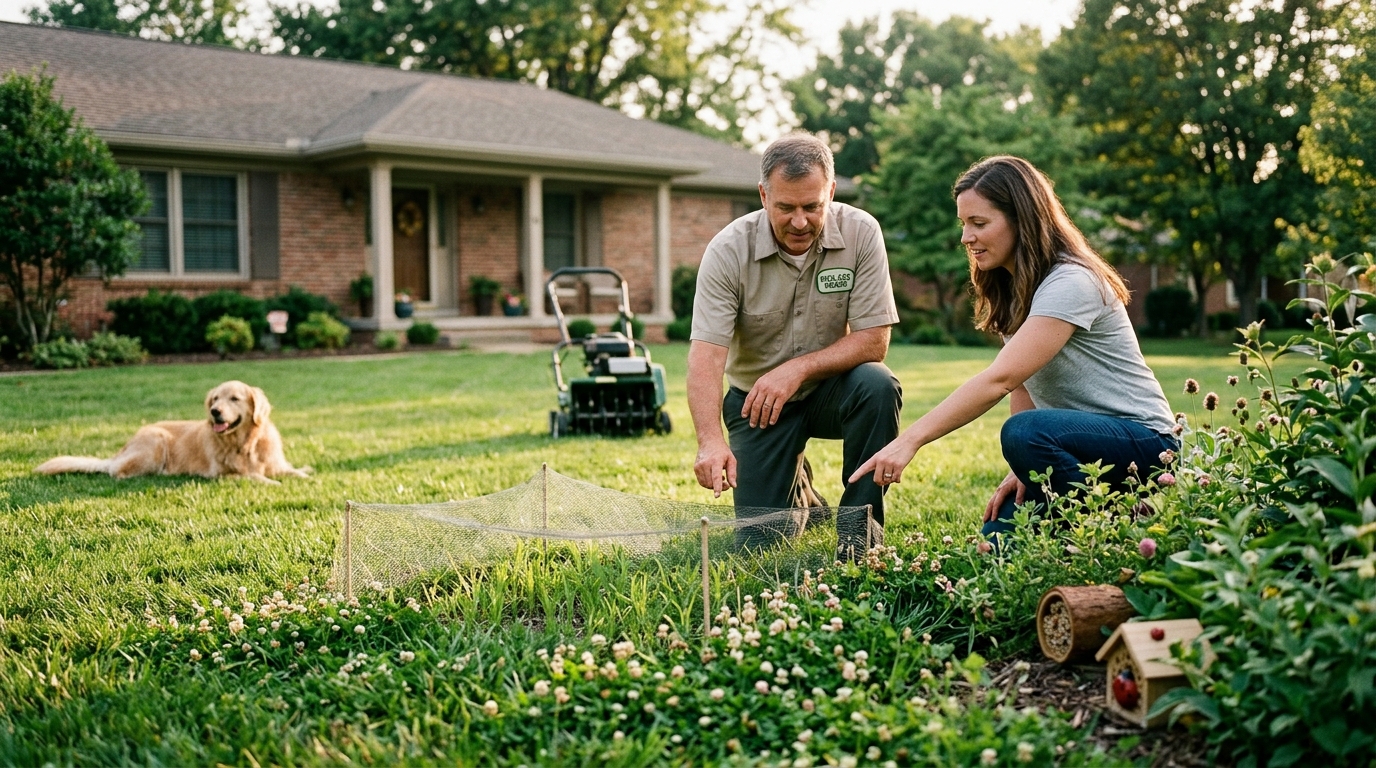
For small infestations, hand removal is a viable option. Using hand tools to remove weeds manually prevents them from seeding. For larger areas, mechanical barriers like mesh screens can exclude pests. These physical interventions are labor-intensive but highly effective for localized problems.
Biological and Natural Chemical Controls
When prevention and physical controls are insufficient, biological and natural chemical controls can be introduced. These methods leverage natural processes to manage pests. They are often derived from natural sources and break down quickly in the environment. This approach aligns with the goal of minimizing environmental impact.
Beneficial Insects and Natural Predators
Some researchers look to cultivate plant varieties that naturally keep weeds at bay, while others scout for bodyguards that will protect a high-valued crop from nutrient- and light-robbing bullies. Introducing beneficial insects like ladybugs or lacewings can help control aphids and other soft-bodied pests. These natural predators are part of the ecosystem and help maintain balance.
Naturally Occurring Chemicals
Building a Layered Defense Strategy
Combining multiple strategies creates a robust defense system for your lawn. No single method is perfect, but a layered approach compensates for the weaknesses of individual tactics. This redundancy ensures that if one method fails, others will still provide protection. It is a proactive rather than reactive stance.
Timing and Seasonal Adjustments
Effective IPM requires adjusting strategies based on the season. Spring is ideal for prevention and monitoring, while summer may require more active control. Fall is a good time for soil health improvements. By aligning your actions with the natural pest life cycle, you can intervene at the most effective moments. according to Ask a Master
Documentation and Adaptation
Keeping records of pest activity and control measures helps you refine your strategy over time. Note which methods worked and which did not. This data-driven approach allows for continuous improvement. It transforms lawn care from guesswork into a precise science.
Key Takeaways
- Integrated Pest Management is a science-based approach that combines multiple strategies to manage pests effectively.
- Prevention through healthy lawn maintenance is the most cost-effective and sustainable first step.
- Physical controls like mulching and hand removal are safe and effective for small infestations.
- Naturally occurring chemicals are a valid part of IPM and do not imply a chemical-free lawn.
- Beneficial insects can serve as natural bodyguards against common lawn pests.
- A layered defense strategy provides redundancy and improves long-term lawn health.
- Regular monitoring and documentation are essential for adapting your IPM plan over time.
Frequently Asked Questions
Is Integrated Pest Management the same as organic lawn care?
Not exactly. IPM is a framework that can include organic methods but also allows for the use of naturally occurring chemicals when necessary. Organic lawn care strictly avoids synthetic inputs, while IPM focuses on the most effective and least risky combination of controls.
Do I need to use chemicals to manage weeds?
No, you do not need to use synthetic chemicals. Many weeds can be managed through physical removal, mulching, and cultural practices. However, naturally occurring chemicals can be a useful tool in an IPM program when physical methods are insufficient.
How often should I monitor my lawn for pests?
It is best to monitor your lawn weekly during the growing season. Early detection allows for timely intervention, which is less disruptive and more effective than treating a large infestation later.
Can beneficial insects control all lawn pests?
No, beneficial insects are most effective against soft-bodied pests like aphids. They are less effective against grubs or other soil-dwelling pests. A combination of biological, physical, and chemical controls is usually required for comprehensive pest management.
What is the role of mulch in pest control?
How does Kick-Ass Grass apply IPM principles?
Kick-Ass Grass uses a comprehensive approach that includes fertilizer application, weed control, aeration, and professional mowing. We only contact you when we have actually found a problem in your lawn that needs attention, ensuring that our services are targeted and necessary.
Conclusion
Combining multiple strategies is the key to effective and sustainable lawn care. By adopting an Integrated Pest Management approach, you can protect your lawn from weeds and pests while minimizing environmental impact. Kick-Ass Grass brings 16 years of industry experience to this process, ensuring that your lawn receives the targeted care it needs. To plan your visit, for a personalized assessment of your lawn's health. Learn more: Kick Ass Grass.