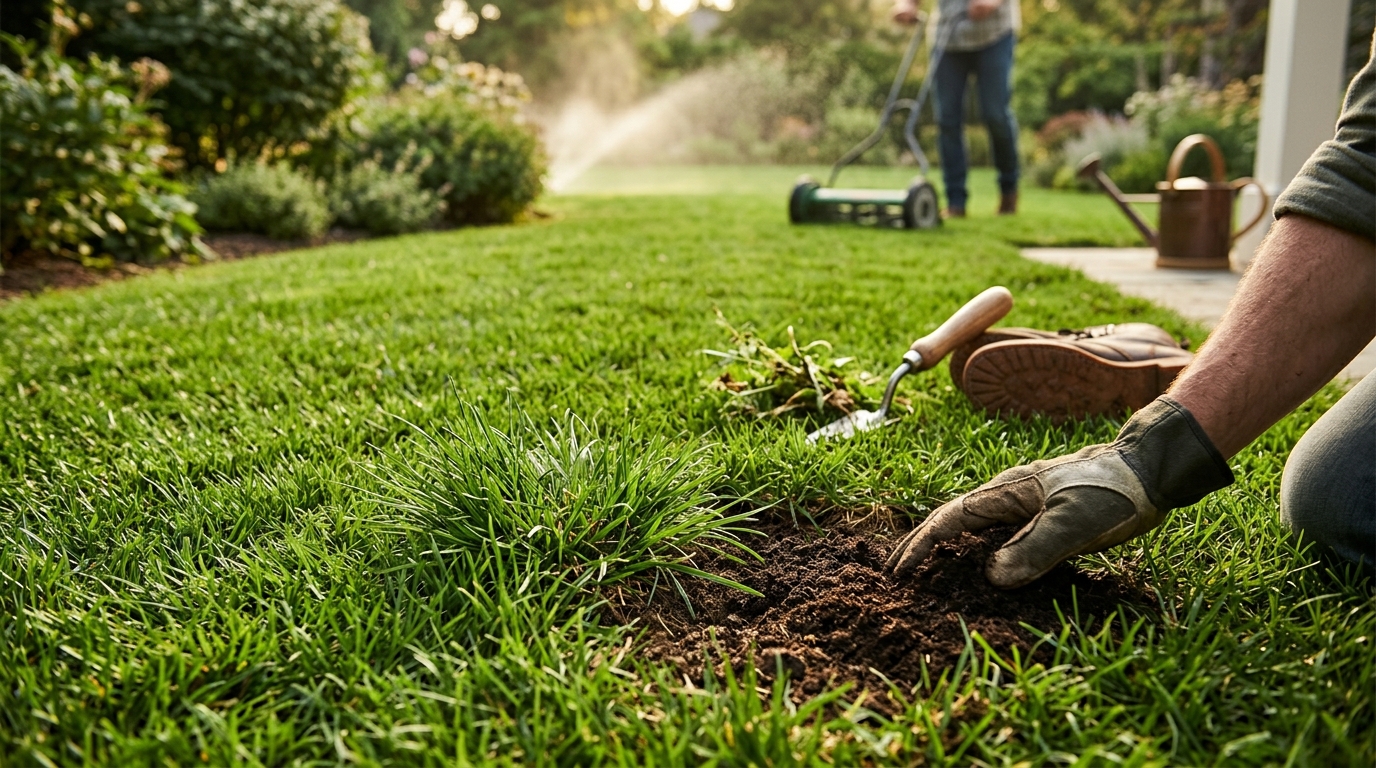
Yes, non-herbicide options can effectively maintain a healthy lawn. By focusing on cultural practices like proper mowing, deep watering, and soil health, you can create an environment where weeds struggle to survive. This guide explores how integrated pest management and mechanical removal work together to keep your grass dense and green without relying on synthetic chemicals. We will cover the specific techniques that professional services like Kick-Ass Grass use to deliver results. For additional details, review the .
Integrated Pest Management
Integrated Pest Management, or IPM, is a strategy that combines biological, cultural, physical, and chemical tools to manage pests in an environmentally responsible way. In the context of lawn care, IPM focuses on prevention rather than reaction. It involves monitoring the lawn for early signs of stress and addressing the root causes of weed invasion. This approach ensures that any intervention is targeted and necessary. For additional details, review the Customer Experience.
The Role of Monitoring
Effective IPM requires regular observation. You must identify which weeds are present and understand their life cycles. For example, broadleaf weeds often germinate in the fall, while grassy weeds may appear in the spring. By knowing when these plants emerge, you can time your cultural practices to outcompete them. This proactive stance reduces the need for aggressive treatments later in the season. For additional details, review the Frequently Asked Questions.
Cultural Controls First
Cultural controls are the backbone of non-herbicide management. These include adjusting mowing heights, optimizing irrigation, and improving soil conditions. When the turf is healthy and dense, it naturally suppresses weed growth. This biological competition is often more effective than trying to kill weeds after they have established themselves. It creates a self-sustaining ecosystem where the desired grass thrives. according to Weed Management in For additional details, review the About.
Mechanical Weed Removal
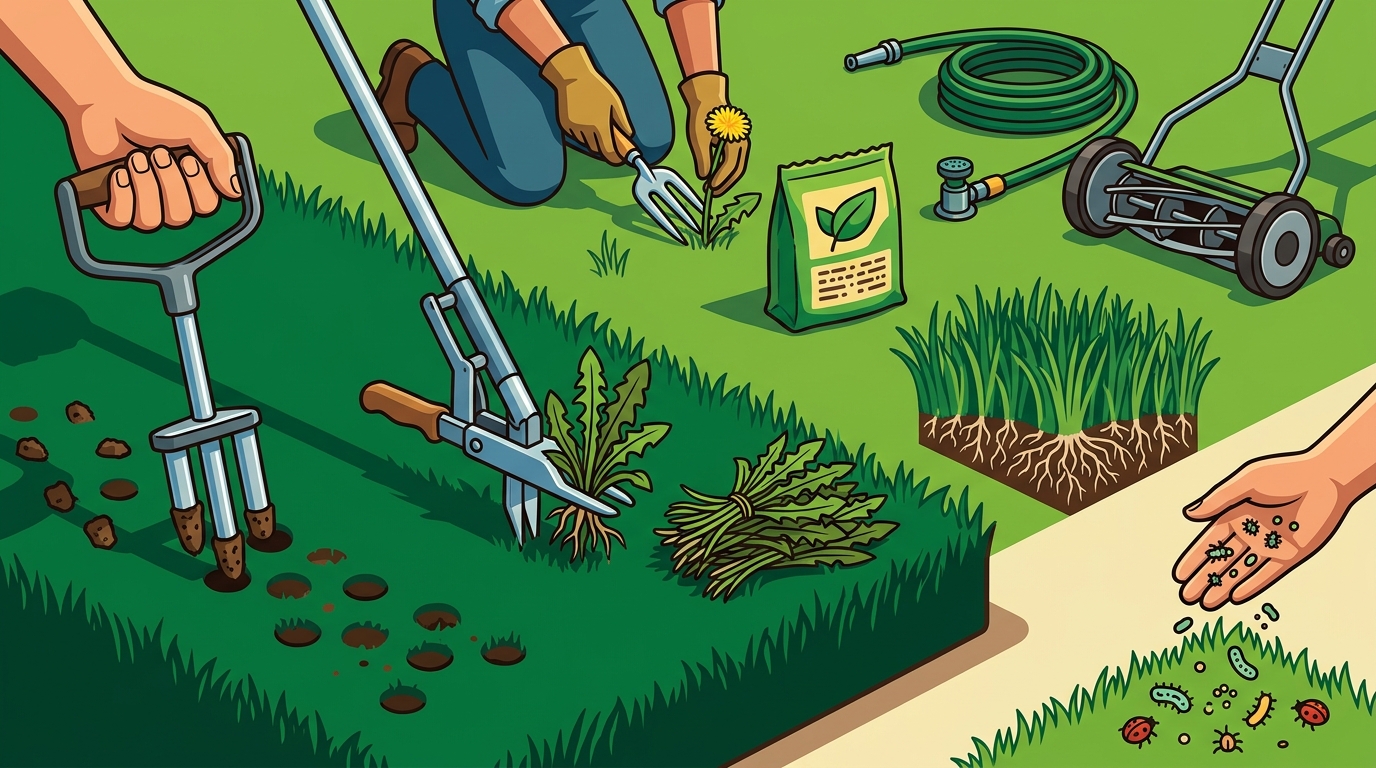
Mechanical weed removal is the physical act of extracting weeds from the soil using tools or manual effort. This method is highly effective for small infestations or specific problem areas. It allows you to remove the entire plant, including the root system, which prevents regrowth. While labor-intensive, it provides immediate results without introducing any substances to the soil. according to UC Healthy Lawns
Tools for the Job
Hand weeding tools, such as dandelion diggers and trowels, are essential for precision work. These tools allow you to reach deep roots without disturbing the surrounding turf. For larger areas, a hoe or cultivator can be used to break up the soil surface and expose weed roots. The key is to remove the plant before it sets seed. Once a weed seeds, it becomes much harder to control mechanically.
Timing is Critical
The timing of mechanical removal depends on the weed species. Broadleaf weeds are often easier to pull when the soil is moist. Grassy weeds, which have fibrous root systems, may require more effort to remove completely. Consistency is key. Regularly checking your lawn and removing new weeds as they appear prevents them from establishing a foothold. This ongoing maintenance is a core part of the non-herbicide approach.
Turf Density
Turf density is the measure of how thick and compact your grass layer is. A dense lawn leaves little room for weeds to germinate and grow. This is the primary defense against weed invasion. When grass blades are close together, they block sunlight and reduce soil moisture at the surface, creating an inhospitable environment for weed seeds. Maintaining high density is the goal of all non-herbicide strategies.
Why Density Matters
Weeds can occur in all lawns but rarely become problems in well-managed, healthy turfgrass. Poor maintenance practices can weaken turfgrass, allowing weeds to take over. By focusing on density, you are addressing the root cause of weed problems. A thick lawn also withstands foot traffic and pet activity better, reducing the need for repair work. This resilience is a significant advantage for busy households.
Building Density Over Time
Building density takes time and consistent care. It involves proper fertilization, watering, and mowing. You cannot rush this process. However, once achieved, it provides long-term benefits. A dense lawn requires less intervention to stay weed-free. This stability is what professional services aim to achieve for their clients. It is a sustainable solution that improves with each passing season.
Watering Practices
Watering practices refer to the frequency, duration, and method of applying water to your lawn. Proper watering is crucial for maintaining turf health and density. It encourages deep root growth, which makes the grass more drought-tolerant and resistant to weeds. Incorrect watering, such as frequent shallow watering, leads to shallow roots and weak turf. This weakness invites weed invasion. according to FS102 Your Lawn
Frequency vs. Duration
The general rule is to water deeply but infrequently. This means applying a significant amount of water in one session, followed by a longer interval before the next watering. This encourages roots to grow downward in search of moisture. Shallow, frequent watering keeps roots near the surface, where they are more vulnerable to heat and drought. Adjusting your schedule to match this principle is a simple but impactful change.
Method of Application
How you apply water matters as much as how much you apply it. Sprinklers should be adjusted to cover the lawn evenly without overspray onto sidewalks or driveways. Drip irrigation can be an efficient alternative for certain areas. The goal is to deliver water to the soil, not just the grass blades. This ensures that the moisture reaches the root zone where it is needed most.
Soil Health
Organic Matter
Soil Testing
Soil testing is a simple way to assess the condition of your soil. It can reveal pH levels, nutrient deficiencies, and compaction issues. Based on the results, you can make targeted amendments. For example, if the soil is too acidic, you may need to add lime. If it is too alkaline, sulfur may be required. This data-driven approach ensures that you are addressing the specific needs of your soil. It is a cost-effective way to improve lawn health. according to Best Management Practices
Mowing Height
Mowing height is the length of the grass blades after cutting. It is one of the most important factors in lawn health. Mowing too short stresses the grass and reduces its ability to photosynthesize. This stress weakens the turf and opens the door for weeds. Mowing too long can lead to uneven growth and thatch buildup. Finding the right height for your grass species is essential for maintaining a healthy lawn.
Species-Specific Heights
Different grass species have different optimal mowing heights. Cool-season grasses like Kentucky bluegrass and fescue generally prefer a height of 3 to 4 inches. Warm-season grasses like Bermuda and zoysia may prefer 2 to 3 inches. Always check the specific recommendations for your grass type. Mowing at the correct height ensures that the grass has enough leaf surface to produce energy. This energy supports root growth and overall vigor.
The One-Third Rule
The one-third rule states that you should never remove more than one-third of the grass blade in a single mowing. This prevents stress and allows the grass to recover quickly. If you mow too short, you remove too much leaf tissue, which reduces the grass's ability to photosynthesize. This can lead to thinning and weed invasion. Following this rule ensures that your lawn remains healthy and dense. according to Proper Mowing Practices
Proper Mowing Height
Proper mowing height is the specific range of blade length that supports the health and vigor of a particular grass species. It is not a one-size-fits-all number. It depends on the grass type, the season, and the environmental conditions. Maintaining the proper height is a continuous process that requires attention and adjustment. It is a key component of integrated pest management.
Seasonal Adjustments
Mowing height should be adjusted based on the season. In the spring, you may want to mow slightly shorter to encourage growth. In the summer, you should mow taller to provide shade and reduce moisture loss. In the fall, you may mow shorter to prepare the lawn for winter. These adjustments help the grass adapt to changing conditions. They also help prevent disease and pest issues.
Blade Sharpness
The sharpness of your mower blades is critical. Dull blades tear the grass instead of cutting it cleanly. This creates ragged edges that are more susceptible to disease and browning. Sharp blades make a clean cut, which promotes faster healing and healthier growth. Regularly sharpening your blades is a simple task that has a significant impact on lawn health. It is a small effort that yields big results. according to Grassy Weeds in
Deep Infrequent Watering
Deep infrequent watering is a strategy that involves applying a large amount of water in a single session, followed by a longer interval before the next watering. This method encourages deep root growth, which makes the grass more resilient to drought and heat. It also reduces the frequency of watering, which can save time and water. This approach is a cornerstone of non-herbicide lawn care. according to Watering Trees and
Benefits of Deep Roots
Deep roots allow the grass to access moisture and nutrients from deeper in the soil. This makes the lawn more tolerant of dry periods. It also makes the grass more resistant to weeds, which typically have shallow root systems. By encouraging deep roots, you are creating a competitive advantage for your desired grass. This is a long-term strategy that pays off over time.
How to Implement
To implement deep infrequent watering, you need to know how much water your lawn needs. A general guideline is to provide 1 to 1.5 inches of water per week. This can be done in one or two sessions. Use a rain gauge or a tuna can to measure the amount of water applied. Adjust your sprinkler settings to ensure even coverage. This method requires some trial and error, but the results are worth the effort.
Overseeding
Overseeding is the process of spreading grass seed over an existing lawn to fill in thin or bare spots. It is a cost-effective way to improve turf density and suppress weeds. By adding new grass plants, you increase the competition for light and space, which makes it harder for weeds to establish. Overseeding is most effective in the fall, when conditions are ideal for germination and growth. according to Broadleaf Weeds in
Choosing the Right Seed
Selecting the right seed is crucial for successful overseeding. You need to choose a grass species that is compatible with your existing lawn and suited to your climate. Mixing incompatible species can lead to uneven growth and maintenance challenges. Consult with a local extension service or a professional to determine the best seed for your area. This ensures that you are adding plants that will thrive in your specific conditions.
Preparation and Application
Proper preparation is key to successful overseeding. You should mow the lawn short, dethatch if necessary, and aerate the soil to improve seed-to-soil contact. Spread the seed evenly and lightly rake it into the soil. Keep the soil moist until the seeds germinate. This requires frequent, light watering. Once the new grass is established, you can transition to your regular watering schedule.
Manual Weed Removal
Manual weed removal is the hands-on process of pulling weeds out of the lawn by hand or with simple tools. It is the most direct form of mechanical control. It allows you to target specific weeds without affecting the surrounding grass. This method is best suited for small infestations or isolated problem areas. It requires patience and consistency, but it is highly effective when done correctly.
Techniques for Success
When pulling weeds by hand, it is important to remove the entire root system. For broadleaf weeds, this usually means digging out the taproot. For grassy weeds, you may need to pull the entire clump. Work when the soil is moist to make it easier to extract the roots. Dispose of the weeds in a trash bag, not in a compost pile, to prevent reseeding. This attention to detail ensures that the weeds do not come back.
When to Use Manual Removal
Manual removal is best used for small, isolated weeds. If you have a large infestation, it may be more efficient to use other methods. However, for a few dandelions or clover patches, manual removal is a quick and effective solution. It is also a good way to monitor your lawn and identify new weed species early. This proactive approach helps you stay ahead of potential problems.
Organic Fertilizers
Organic fertilizers are products derived from natural sources, such as plant or animal matter. They release nutrients slowly over time, providing a steady supply of food for the grass. This slow release promotes steady growth and reduces the risk of nutrient runoff. Organic fertilizers also improve soil health by adding organic matter and supporting microbial activity. They are a key component of non-herbicide lawn care.
Types of Organic Fertilizers
There are many types of organic fertilizers available, including compost, manure, bone meal, and fish emulsion. Each type has different nutrient profiles and release rates. Compost is a versatile option that improves soil structure and provides a broad range of nutrients. Manure is rich in nitrogen and can promote rapid growth. Bone meal is high in phosphorus and supports root development. Choose a fertilizer that matches the needs of your lawn and soil.
Application Guidelines
Apply organic fertilizers according to the manufacturer's instructions. Over-application can lead to nutrient imbalances and environmental issues. It is best to apply fertilizers in the spring and fall, when the grass is actively growing. Water the lawn after application to help the nutrients penetrate the soil. This ensures that the grass can access the nutrients it needs. Consistent application is key to maintaining a healthy lawn.
Deep Watering Practices
Deep watering practices focus on delivering water to the root zone of the grass, rather than just the surface. This encourages deep root growth and improves drought tolerance. It also reduces the frequency of watering, which can save time and resources. Deep watering is a critical component of non-herbicide lawn care. It helps maintain turf density and suppresses weed growth. according to Regulation of root
Measuring Water Depth
To ensure you are watering deeply enough, you need to measure the depth of water applied. A simple way to do this is to place several empty tuna cans or rain gauges around the lawn. Run your sprinklers for a set period and measure the water collected. Adjust the duration until you have applied the recommended amount. This ensures that you are providing enough water to reach the root zone.
Timing of Watering
The best time to water your lawn is early in the morning, before the heat of the day sets in. This reduces evaporation and allows the grass to dry before nightfall, which helps prevent disease. Watering in the evening can leave the grass wet for too long, creating a favorable environment for fungal issues. Morning watering is the preferred method for most lawns. It provides the best balance of efficiency and health.
Natural Fertilization
Composting at Home
Composting is a simple way to create your own natural fertilizer. You can compost kitchen scraps, yard waste, and other organic materials. The resulting compost is rich in nutrients and improves soil structure. It is a cost-effective way to fertilize your lawn while reducing waste. Composting is a long-term investment in soil health. It pays off with a healthier, more resilient lawn.
Leaf Mold
Leaf mold is a type of compost made from fallen leaves. It is an excellent source of organic matter and nutrients. You can create leaf mold by shredding leaves and piling them in a corner of your yard. Over time, they will break down into a dark, crumbly material. This material can be spread over your lawn to improve soil health. It is a free and sustainable way to fertilize your lawn.
Comparison of Non-Herbicide Strategies
| Strategy | Primary Benefit | Effort Level | Best For |
|---|---|---|---|
| Integrated Pest Management | Prevention and monitoring | Medium | Long-term lawn health |
| Mechanical Weed Removal | Immediate weed control | High | Small infestations |
| Turf Density | Weed suppression | Medium | Preventing weed invasion |
| Watering Practices | Deep root growth according to Economic growth | Low | Drought tolerance |
| Soil Health | Nutrient availability | Medium | Overall lawn vigor |
| Mowing Height | Stress reduction | Low | Grass vigor |
| Overseeding | Density restoration | Medium | Thin or bare spots |
| Organic Fertilizers | Slow-release nutrients | Low | Steady growth |
Key Takeaways
- Non-herbicide options can effectively maintain a healthy lawn through cultural practices.
- Integrated Pest Management focuses on prevention and monitoring rather than reaction.
- Mechanical weed removal is effective for small infestations and specific problem areas.
- Turf density is the primary defense against weed invasion.
- Deep infrequent watering encourages deep root growth and drought tolerance.
- Soil health is foundational to lawn health and weed suppression.
- Proper mowing height and blade sharpness are critical for grass vigor.
- Organic fertilizers and natural fertilization support long-term soil health.
Frequently Asked Questions
Can non-herbicide methods completely eliminate weeds?
Non-herbicide methods can significantly reduce weed populations and prevent new invasions. However, complete elimination is difficult because weed seeds are ubiquitous. The goal is to create a healthy, dense lawn that outcompetes weeds. This requires consistent maintenance and attention to cultural practices.
How long does it take to see results from non-herbicide methods?
Results vary depending on the specific practices and the condition of your lawn. You may see improvements in turf density and weed suppression within a few months. However, building a truly healthy, weed-resistant lawn takes time. Consistency is key. It is a long-term investment in your lawn's health.
Are organic fertilizers better than synthetic fertilizers?
Organic fertilizers release nutrients slowly and improve soil health over time. Synthetic fertilizers provide a quick boost of nutrients but do not improve soil structure. The best choice depends on your goals and the condition of your soil. Many lawn care professionals use a combination of both to achieve optimal results.
How often should I water my lawn?
The frequency of watering depends on the weather, soil type, and grass species. As a general rule, water deeply but infrequently. This means providing 1 to 1.5 inches of water per week, divided into one or two sessions. Adjust your schedule based on rainfall and temperature. The goal is to encourage deep root growth.
What is the best mowing height for my lawn?
The best mowing height depends on your grass species. Cool-season grasses generally prefer 3 to 4 inches, while warm-season grasses may prefer 2 to 3 inches. Always follow the recommendations for your specific grass type. Mowing at the correct height supports grass vigor and weed suppression.
Can I use manual weed removal for a large lawn?
Manual weed removal is best suited for small infestations or isolated problem areas. For a large lawn with widespread weed problems, it may be too labor-intensive. In such cases, you may need to consider other methods or seek professional help. A combination of cultural practices and targeted removal is often the most effective approach.
Do non-herbicide methods work in all climates?
Non-herbicide methods are effective in most climates, but the specific practices may vary. For example, watering needs will differ between arid and humid regions. Mowing heights and fertilization schedules may also vary. It is important to tailor your approach to your local conditions. Consult with a local extension service or a professional for region-specific advice.
How can I improve soil health quickly?
Improving soil health is a long-term process, but you can take steps to accelerate it. Adding compost, aerating the soil, and avoiding compaction are all effective strategies. These practices improve soil structure, water retention, and nutrient availability. Consistent effort over time will yield the best results.
Conclusion
Maintaining a healthy lawn without relying on synthetic herbicides is entirely possible. By focusing on integrated pest management, proper watering, and soil health, you can create an environment where weeds struggle to survive. These cultural practices are the foundation of a resilient, dense lawn. They require consistency and attention, but the results are worth the effort. Kick-Ass Grass brings 16 years of industry experience to this approach, focusing on identifying and resolving specific lawn problems rather than offering unnecessary services. Our team prioritizes transparency and honesty, contacting you only when we have actually found a problem in your lawn that needs attention. We believe in a comprehensive approach to lawn care that includes fertilizer application, weed control, aeration, and professional mowing. To get started with a targeted, non-herbicide lawn care plan, contact Kick-Ass Grass today.