
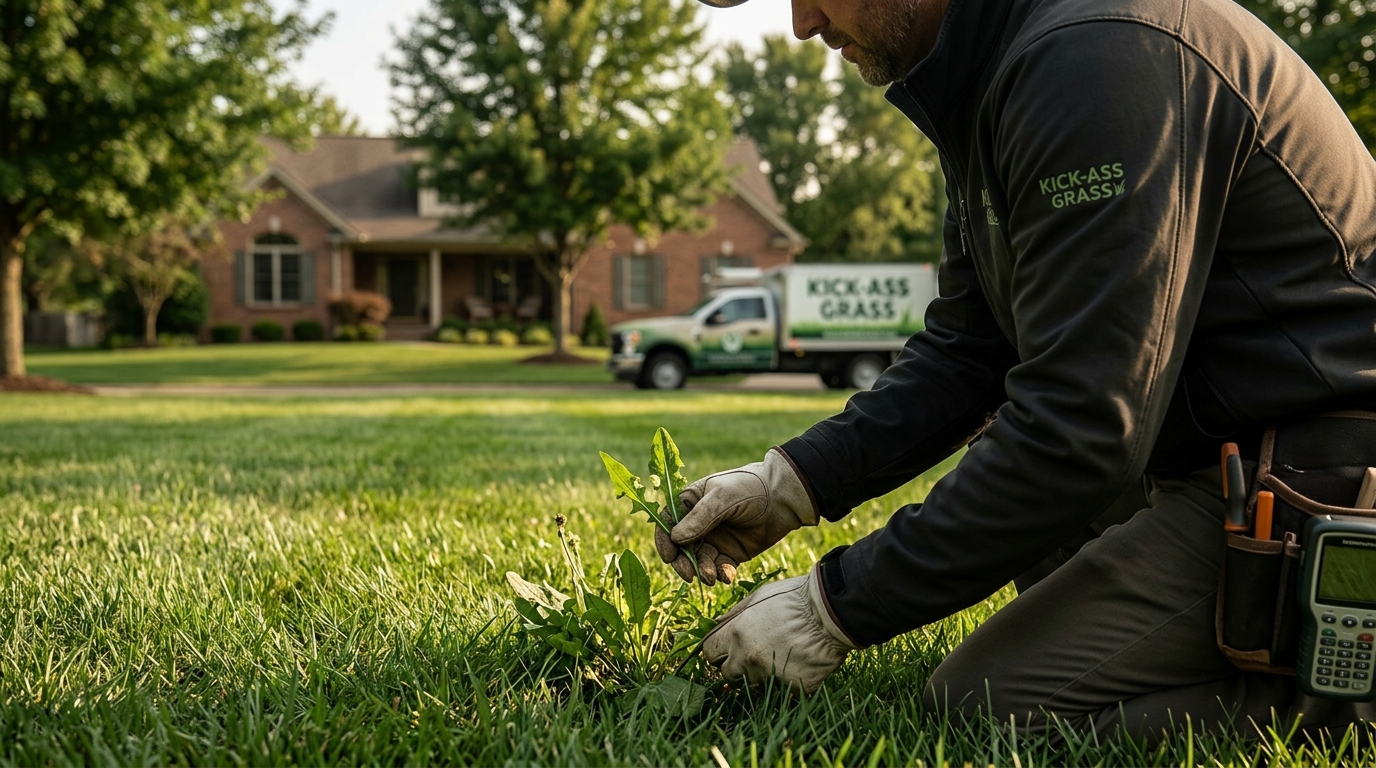
Herbicide resistance is a growing challenge for homeowners and professionals alike. When weeds survive repeated applications of the same chemical, it signals a biological shift that standard treatments can no longer reverse. Kick-Ass Grass addresses this issue by prioritizing targeted, transparent lawn care that avoids unnecessary chemical overuse. Understanding why resistance develops helps you protect your investment and maintain a healthy landscape. For additional details, review the .
1. Genetic Mutation and Natural Selection
Random genetic mutations allow some weeds to survive herbicide exposure. Weeds contain vast genetic diversity, and occasional mutations can alter the target site of a herbicide. When a chemical is applied, susceptible plants die, but those with the mutation survive and reproduce. This process, known as natural selection, rapidly increases the proportion of resistant individuals in the population.
2. Repeated Application of the Same Mode of Action
Using the same herbicide class year after year accelerates resistance development. Herbicides have become one of the most widespread weed-control tools since their advent in the mid-20th century, but consistent use of one mechanism of action exerts strong selection pressure. If a lawn care provider applies the same chemical repeatedly without rotation, any resistant survivors have no competition and quickly dominate the area. Kick-Ass Grass focuses on identifying specific problems rather than applying blanket treatments, which helps mitigate this risk.
3. Incomplete Coverage and Survival Populations
Missed spots allow resistant weeds to survive and reseed. Even a small number of surviving plants can produce enough seeds to repopulate the lawn with resistant strains. Incomplete coverage due to poor application technique, weather interference, or uneven terrain creates refuges for these survivors. Professional application ensures uniform coverage, reducing the chance that resistant individuals escape treatment.
4. Persistent Weed Seed Banks
Soil seed banks can harbor resistant weed seeds for years. Many weeds produce thousands of seeds that remain viable in the soil long after the parent plant dies. If resistant seeds are present in the seed bank, they can germinate in subsequent seasons, introducing resistance even if the current lawn appears clean. Perennial weeds are the hardest to control once established, and their persistent root systems and seed production make them particularly challenging.
5. Soil Conditions Favoring Resistant Strains
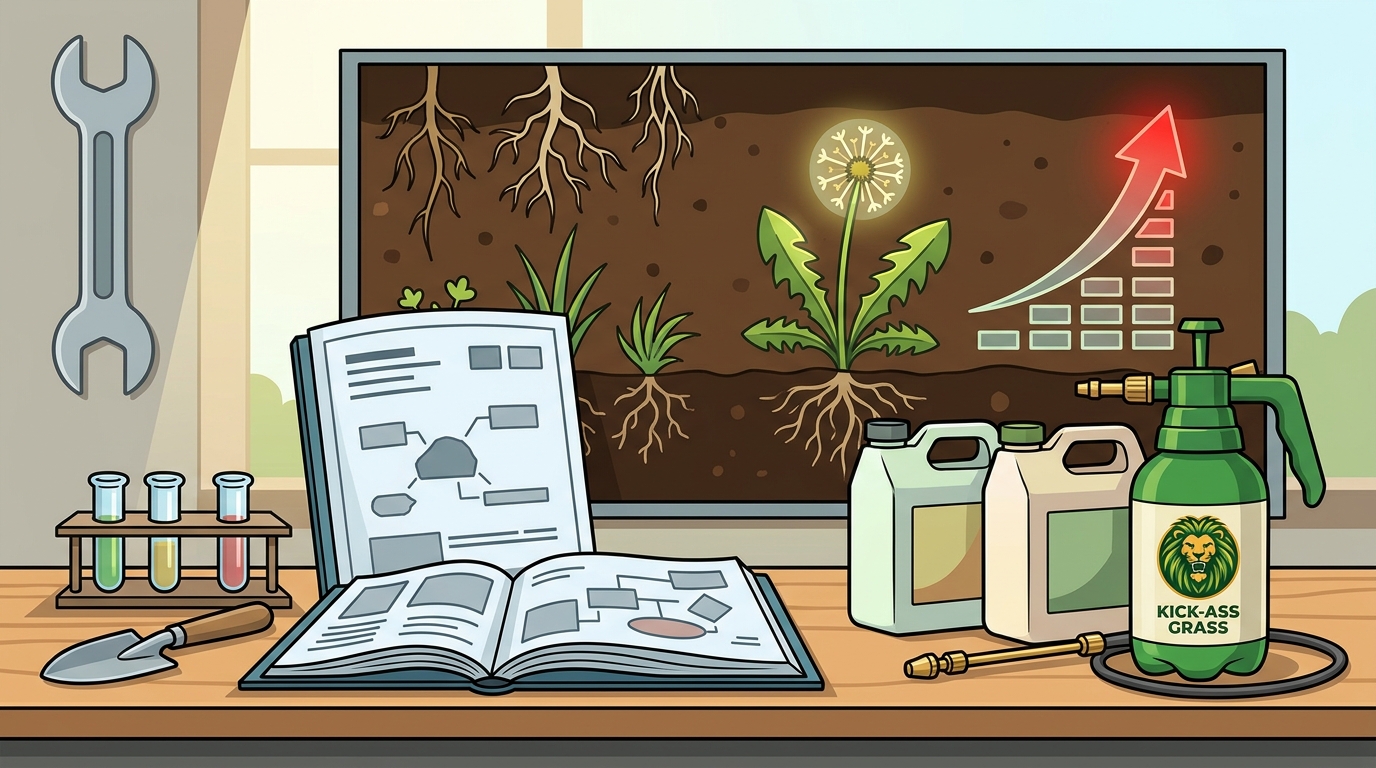
Stressed soil environments can favor the growth of resistant weed species. Compacted soil, poor drainage, or nutrient imbalances can weaken desirable grasses, creating openings for weeds. Resistant weeds may be better adapted to these suboptimal conditions, giving them a competitive advantage. Maintaining healthy soil through aeration and proper fertilization supports robust grass growth that outcompetes weeds naturally. according to Integrated Weed Management
6. Cross-Pollination and Gene Flow
Resistant genes can spread between weed species through cross-pollination. While less common in weeds than in crops, gene flow can occur between related species, transferring resistance traits. Wind and insect pollinators can carry pollen from resistant plants to susceptible ones, creating new hybrid populations with enhanced survival capabilities. This makes resistance a regional issue, not just a local one, as resistant strains can migrate across property lines.
7. Regulatory Limits and Tolerance Violations
Regulatory frameworks monitor pesticide residues to ensure safety and efficacy. Regulatory bodies can take action when there is a no-tolerance violation or an over-tolerance violation, indicating that pesticide use may not be following established guidelines. Adhering to label directions and regulatory limits is crucial for maintaining herbicide effectiveness and environmental safety. Kick-Ass Grass follows best practices to ensure treatments are both effective and compliant.
Choosing the Right Approach
Selecting a lawn care provider who prioritizes diagnosis over default chemical application is the best defense against resistance. Look for transparency in communication and a commitment to targeted solutions. If you are experiencing persistent weed issues, it may be time to reassess your current treatment plan.
Frequently Asked Questions
How long does it take for weeds to develop herbicide resistance?
Resistance can develop within a few seasons of repeated exposure to the same herbicide. The speed depends on the weed species, the selection pressure, and the initial frequency of resistant mutations in the population.
Can I reverse herbicide resistance in my lawn?
Once resistance is established, it is difficult to reverse. The best approach is to stop using the resistant herbicide and implement integrated weed management strategies, including mechanical control and cultural practices.
Do organic herbicides cause resistance?
Yes, any herbicide, including organic options, can select for resistant weeds if used repeatedly without rotation. The mechanism of action matters more than the source of the chemical. according to Molecular Mechanisms of
How often should I rotate herbicides?
Rotate herbicides with different modes of action each season to reduce selection pressure. Consult with a professional to develop a rotation plan tailored to your specific weed issues.
What is the role of a professional in preventing resistance?
Professionals can identify resistant weeds early, recommend appropriate rotations, and ensure proper application techniques. Their expertise helps maintain herbicide effectiveness over time.
Conclusion
Herbicide resistance is a biological inevitability when chemicals are overused without strategic planning. By understanding the mechanisms behind resistance, you can make informed decisions about your lawn care. Kick-Ass Grass offers professional lawn care that delivers results through targeted, transparent service. To discuss your specific lawn challenges, .